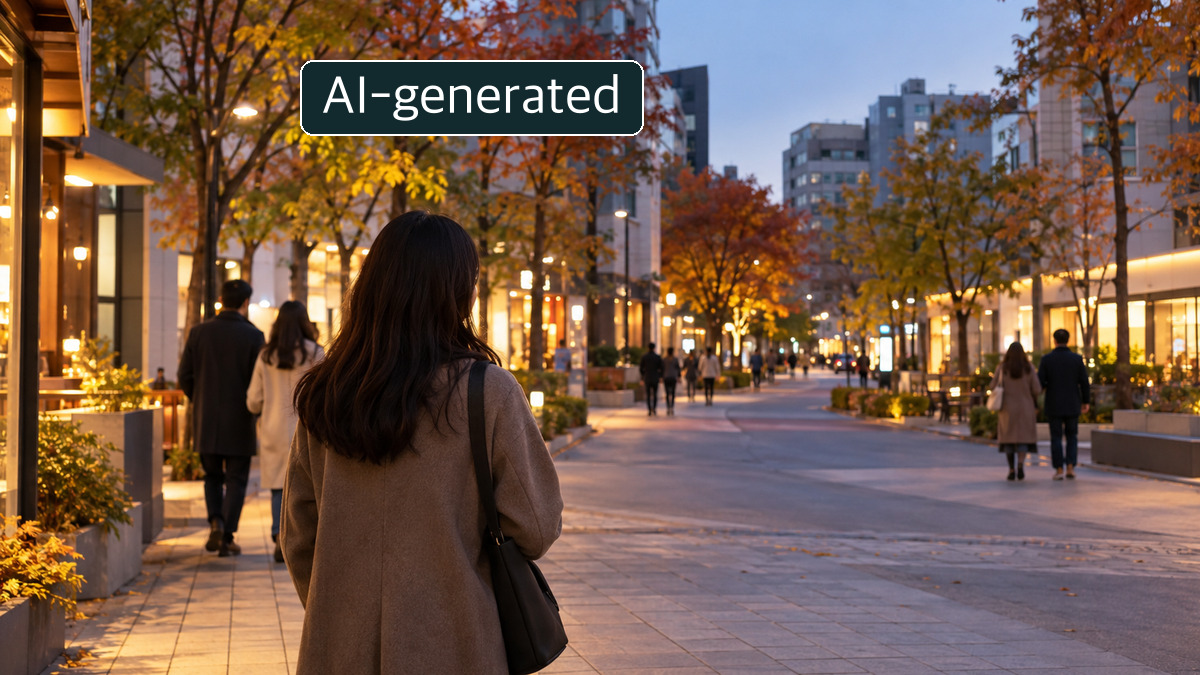
A designated management area is not a guarantee of safe conditions at a particular time. In its October 20, 2026 announcement, Korea's Ministry of the Interior and Safety designated October 23–November 1 as a special Halloween crowd-management period. It identified 28 areas nationwide for focused management. Of those, it specifically described advance inspection teams and a Halloween-weekend on-site management plan for 12 locations with particularly high expected crowding. Do not read that as identical personnel or controls at all 28 sites.
Read the Ministry's release and attached public action guidance before you go. The announcement does not establish today's crowd level, open exits, or walking direction at a particular venue.
Three decisions before entering a busy district
- When to go: The Ministry asks people to avoid expected peak-crowd periods where possible. Changing the time or not entering is a valid safety choice.
- Where to leave: If you do go, check entrances and escape routes before entering. Note whether a narrow lane, slope or staircase lies on your route. Follow the actual safety staff's movement directions on site rather than treating a map or photograph as a live route order.
- What to do if movement stalls: Agree with companions in advance that slowing movement or physical pressure calls for leaving the crowded area immediately; report danger to 112 (police) or 119 (emergency services). If trapped in a crowd, bring both hands in front of your chest or grip the opposite forearm to protect your chest and preserve breathing space. If you can make a call, give responders your location and situation. See the official public-action PDF, page 4.
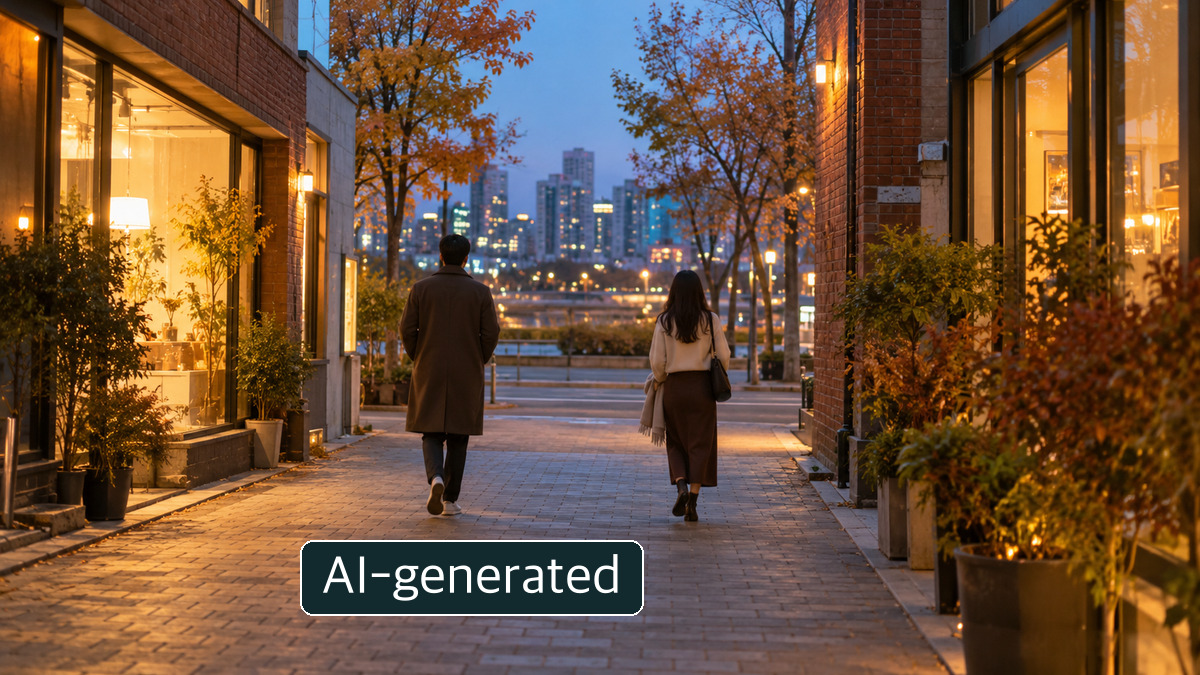
Twenty-eight designated areas are not twelve identical deployments
- 28 areas: The government designated areas where crowding is expected for focused management. This is a planning scope, not a personal safety rating or a promise of uniform staffing every hour.
- 12 particularly busy locations: The Ministry announced advance checks of safety plans, staffing, facilities and bottlenecks before the special period, followed by on-site situation managers October 30–November 1. Being outside this subset does not make another street risk-free.
- National alert: The announcement says a “caution” crisis-alert level will be issued and agencies' emergency arrangements strengthened. Actual access restrictions and pedestrian direction still need to be checked on site.
The release PDF, pages 1–3 gives the specific 12 locations and the 28-area list. Examples in the 12 include Seoul's Itaewon, Hongdae and Seongsu, and Busan's Seomyeon. These are named districts, not a claim that an entire city will have the same controls. Plans may change with conditions.
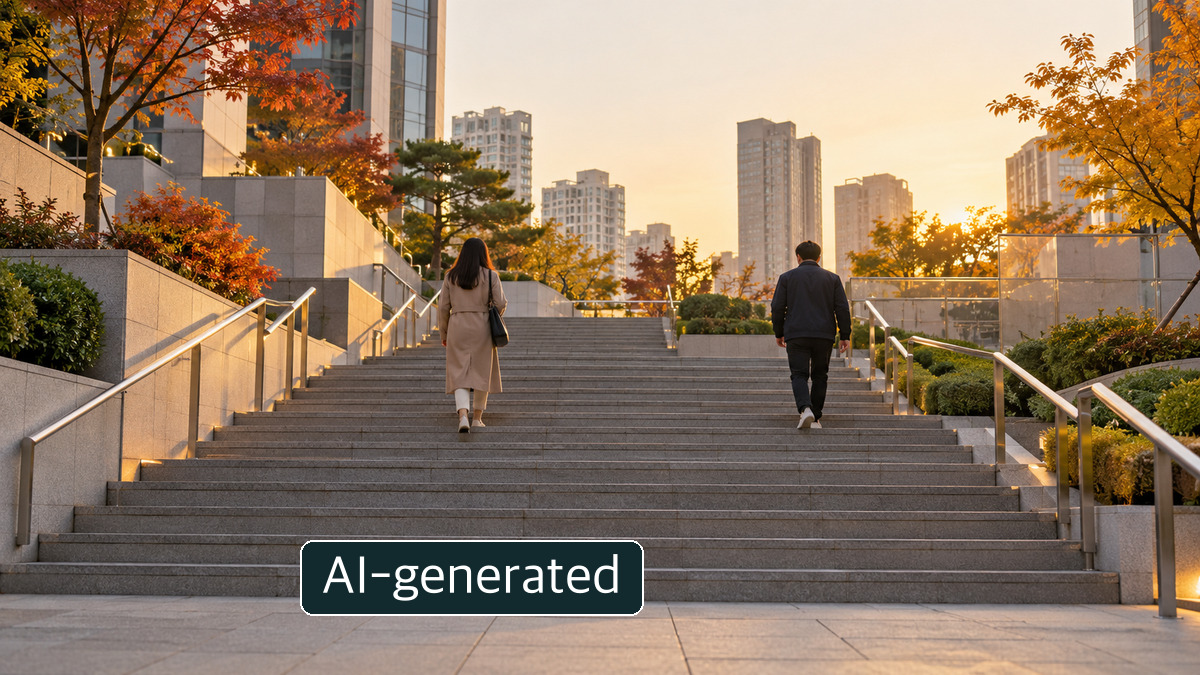
If a narrow lane or stairway becomes crowded
The Ministry advises maintaining distance from others in narrow lanes, slopes and stairways; following safety staff's one-way walking instructions; and not stopping abruptly or pushing others. If people's movement slows or you feel pressure, leave the crowded area immediately and report danger to 112 or 119. If trapped in a crowd, the official public-action PDF, page 4 says to bring both hands in front of the chest or grip the opposite forearm to protect the chest and preserve breathing space. Call with your location and situation if you can, and follow emergency responders' instructions.
Practical boundary: Check routes before visiting, but do not rely on the designation list as real-time clearance. Recheck local notices and on-site instructions. If crowd movement slows or pressure builds, act on the official leave-and-report guidance rather than waiting to see whether your location appears on a list.
About the Author
Life Mokcha's editor distinguishes the Ministry's published timetable, designation list and public action guidance. This article does not report real-time conditions or issue instructions for a particular street.
Read the original post on Naver Blog.