
Checked October 6, 2026. Korea's Ministry of Land, Infrastructure and Transport announced approval of an enforcement-decree revision with a planned effective date of November 13, 2026. It describes a minimum deposit-recovery mechanism and a separate advance-then-settlement route. Cabinet approval is not an announcement that everyone was paid or that applications opened on October 6. This guide rearranges the conditions in the original ministry PDF into a reader's decision path.
First decision: is one-third added to whatever you already recovered?
No. One-third of the rental deposit is the minimum recovery benchmark, not a fixed bonus on top of previous recoveries. The ministry describes support for an eligible person when the amount recovered after auction or public sale is below that benchmark. In calculating minimum support, it deducts amounts received through a tenant's opposing power or priority repayment right, repayment of the deposit-return claim, the auction-purchase price difference, and rental assistance already paid. Your actual recognition decision and recovery records matter.
Who is eligible: Article 25-9(1) of the law scheduled to take effect on November 13, 2026 limits this minimum-guarantee category to Korean nationals among legally recognized rental-fraud victims and tenants determined under Article 2(4)(c). Article 25-10 makes the separate advance route available only to members of that minimum-guarantee category who also meet its conditions. Do not extend this nationality restriction to all rental-fraud assistance. A victim determination alone does not trigger an automatic payment: the particular eligibility, recovery amount, application stage and payment decision still need checking.
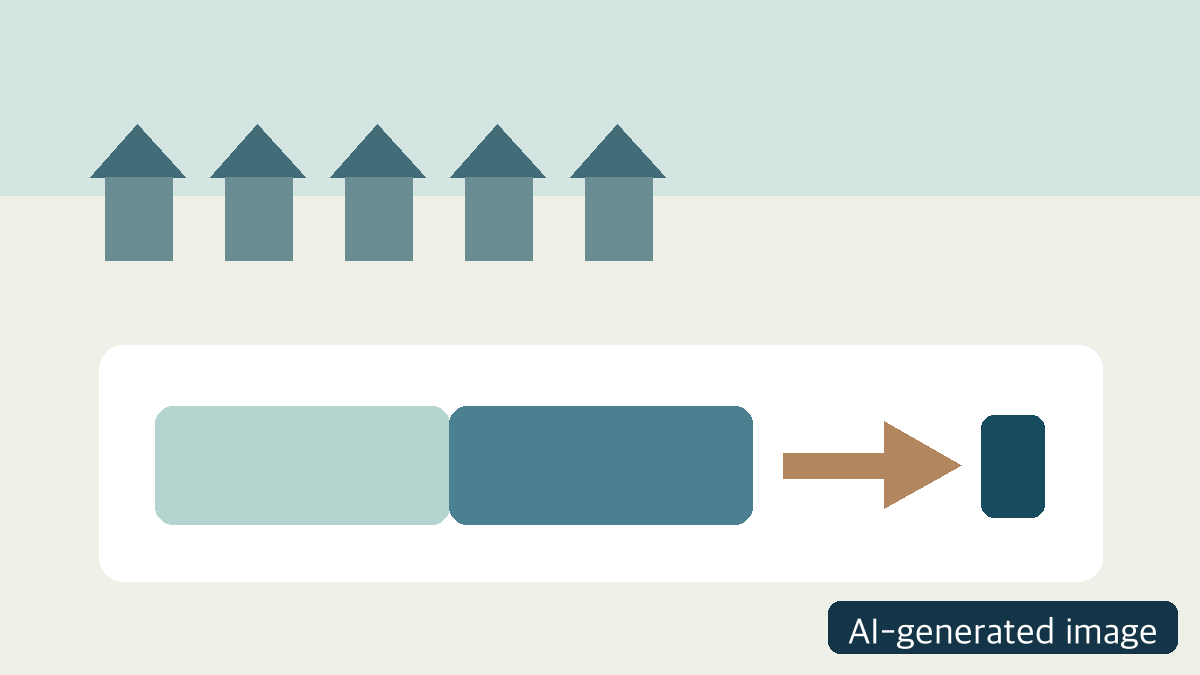
The ministry's hypothetical example assumes a KRW 150 million deposit, KRW 20 million in auction distribution, KRW 10 million in purchase-price difference and no other recovery. It shows KRW 20 million in minimum support, bringing illustrated total recovery to KRW 50 million. This is not a standard award or a personal eligibility finding. The difference refers to the appraised value less the auction price when a public housing operator buys the affected property.
Second decision: post-sale support or an advance subject to settlement?
- Minimum support: If the victim requested a public purchase of the affected property, the announced application point is after calculation of the auction-purchase price difference. Otherwise, it is after the property's disposition procedure is complete. The deficiency is then calculated against recoveries and assistance already received.
- Advance payment: The ministry separately describes this for people with unauthorized rental contracts, such as certain trust-fraud victims. Payment can precede the end of the auction or public-sale procedure; the announced application window runs until before LH completes its purchase of the property or before the property's disposition is complete. The benchmark is reduced by deposit-claim repayments and rental assistance already paid before the advance. Later recovery can be taken into account in settlement. Do not assume every victim can receive an advance before an auction.

Records to check before applying
- Recognition and stage: Check the relevant victim/tenant determination, nationality and legal category for this minimum guarantee; identify whether an LH purchase request, price-difference calculation or property disposition has occurred. Do not self-classify an unauthorized-contract case.
- Recovery and assistance: List auction distributions or rights-based recovery, deposit-claim repayments, any purchase-price difference and rental-assistance payments separately. The same money cannot be treated as a new award twice.
- Documents: The release lists the determination, a copy of the lease, resident-register extract, full real-estate registration certificate for the property, distribution statement or calculation and deposit-claim repayment records. Confirm the actual filing method and required documents in subsequent official guidance.
- Decision and objection: The ministry says LH would decide and notify the payment outcome and amount within 90 days of receiving an application, with one extension of up to 30 days if unavoidable. It describes an objection period of 30 days after receipt of the decision notice. Do not start either clock from the October 6 announcement date.
This article cannot determine recognition, the final amount in an individual case, or the opening of a live application route. Rely on your official determination and subsequent LH filing instructions. For a shorter Korean sequence, see the Life Mokcha Naver guide.
About the Author
Life Mokcha's editorial team checked the ministry's October 6 original PDF for its planned effective date, deduction list and distinct timing for minimum support and advances. This checklist is a reading aid, not an official form.
References
- Ministry of Land, Infrastructure and Transport, Cabinet approval of rental-fraud enforcement-decree revision (October 6, 2026)
- Ministry of Land, Infrastructure and Transport, original press-release PDF (October 6, 2026)
- Korea Law Information Center, Rental Fraud Victim Act Articles 25-9 and 25-10 (scheduled November 13, 2026)