Korea's Ministry of Education and the Korea Educational Environment Protection Agency announced their first 2026 Korean Social-Emotional Learning (K-SEL) excellent-practice case contest. Despite its focus on students' mental well-being, this is not an open competition for students or parents. Eligible entrants are teachers and education professionals affiliated with elementary, middle, high or special schools nationwide.
What kind of case is sought?
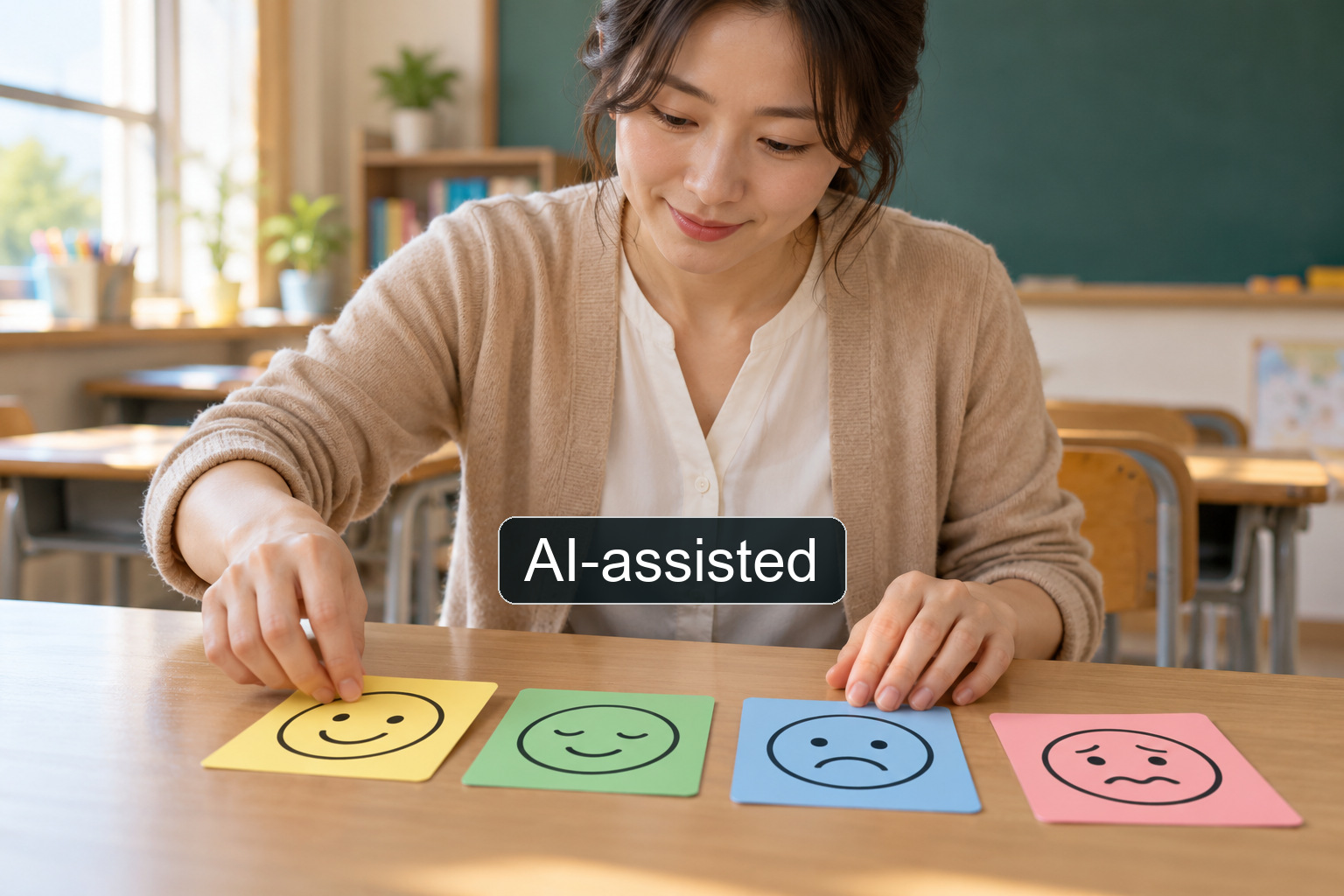
The theme is practical implementation of Korean social-emotional learning through the school curriculum. The attachment points to actual school practice across cross-curricular topics, subject-linked lessons or creative experiential activities. The ministry describes K-SEL competencies including self-awareness and management, communication and cooperation, responsibility, and self-care. Do not infer that students can enter directly from the subject matter.
Key dates
| Stage | Announced timing or process |
|---|---|
| Submission window | October 26–November 4, 2026, by 18:00 Korea time |
| Documentary review | 10 entries selected for a presentation review |
| Notice after documentary review | Individual notification during November |
| Presentations and final result | Individual and team divisions; late November planned |
| Casebook and sharing event | December planned |
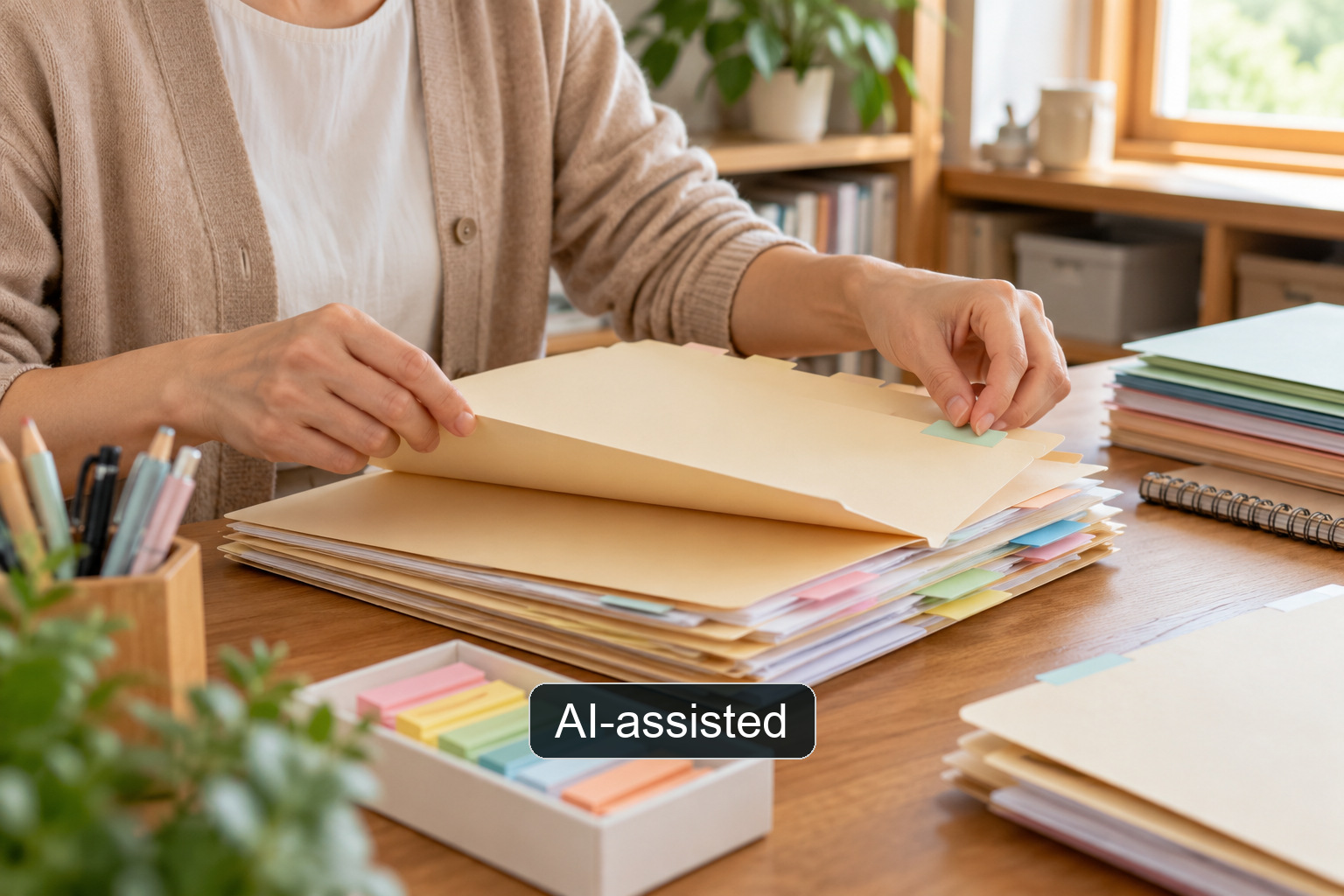
The selected cases are to receive Minister of Education commendations and cash prizes. Check the ministry's original notice and attached contest plan (Korean HWPX) for division-specific awards and submission instructions. Its embedded official poster says to send a school-principal-approved official letter addressed to the Korea Educational Environment Protection Agency (institution code B553929); the letter must be received by November 4 at 18:00 Korea time. Required documents are the application and consent form (참가신청서 및 동의서) and excellent-practice case report (우수사례 보고서). Only for oversized attachments, phone the contact person first and then submit them by email. A separate online submission portal and the location of any downloadable blank templates have not been verified; do not invent them.
Before preparing an entry
- Confirm you meet the school affiliation and professional eligibility requirement.
- Check that your proposed case describes K-SEL practice actually carried out through a school curriculum.
- Allow for the November 4, 18:00 Korea-time deadline, and recheck the organizer's current submission directions before sending anything. The planned opening date does not itself prove that an application has been accepted.
The students are the audience for K-SEL, not the entrants
The ministry describes K-SEL as universal, school-based preventive education for students' mental well-being. That statement describes the people receiving the education. It does not make the contest open to students and parents. For this competition, the affiliated teacher or education professional submits an account of practice actually carried out in a school curriculum. A general lesson idea, a student's personal counselling story or a parent's recollection is not automatically an eligible practice case. Entrants should compare their affiliation and their actual teaching context with the Korean contest plan, rather than infer eligibility from a headline about student well-being.
The attached overview names four competencies: self-awareness and management; communication and cooperation; responsibility; and self-care. These cover, for example, recognizing and managing emotions, listening to different views and working together, considering one's role in a community, and noticing when support is needed. These are the educational framework; the source does not say an applicant must prove all four in a single class. The ministry says K-SEL was introduced nationally in 2025 and plans to expand teaching time from six periods a year to 17 in 2027. That forward-looking policy is not a requirement that a 2026 applicant has already delivered 17 periods.
What does the attached award table say?
The plan calls for documentary screening to select 10 cases for presentation review, with individual and team divisions. Its award table lists, within each division, one grand prize at KRW 1 million, one excellence prize at KRW 600,000, and three merit prizes at KRW 300,000 each, alongside Minister of Education commendations. Those are planned awards for selected winners, not payments to everyone who submits a case. The announced individual notices during November and final results in late November are schedules, not results already known. A December casebook and sharing event are also planned.
Before preparing materials, confirm you are an eligible school-affiliated teacher or education professional, that your case concerns practice already carried out through the curriculum, and what the organizer's current directions say for individual or team submissions. The announced opening on October 26 is distinct from the November 4, 18:00 Korea-time deadline. The attached poster identifies the required documents and the principal-approved official-letter route, but does not verify a separate online submission portal or where to download blank templates; do not send teacher or student information to a guessed address. Verify the current official submission instructions before transmitting anything.
Also on Naver Blog
Read the Korean companion at Life Mokcha's Naver Blog.
About the Author
Life Mokcha's editor, “Mokcha Keeper,” checks original public-agency releases to clarify eligibility and practical next steps.