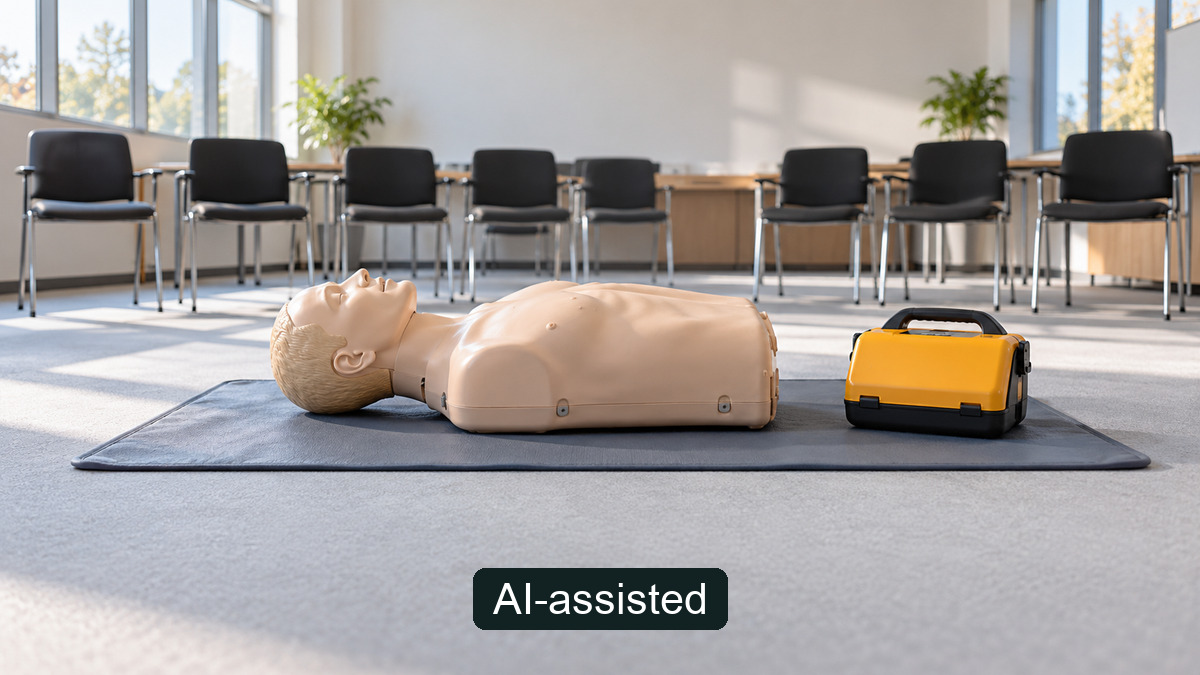
If someone collapses in Korea, 119 is the emergency number to call. Ask another bystander to bring an automated external defibrillator (AED) if one is available. The Korea Disease Control and Prevention Agency (KDCA) has launched a public-awareness campaign called Four Minutes That Make the Heart Beat (가슴 뛰게 하는 4분), starting October 16, 2026 for one month. It is a campaign encouraging prompt action, not a new legal CPR requirement or a course that began on October 18.
What the four minutes do—and do not—mean
The KDCA's original release says the name combines the importance of a four-minute “golden time” for rapid initial response after cardiac arrest with the message of getting the heart beating again through CPR (release p. 2 and attachment 1, p. 5). It does not say to wait four minutes, stop compressions after four minutes or expect a guaranteed recovery if help starts before a timer expires. Call for emergency assistance right away.
A short sequence to learn before you need it
The illustrated action rules in attachment 2, p. 6 of the original PDF describe these initial actions:
- Check for a response: Tap both shoulders and see whether the person responds.
- Call and recruit help: Call 119 and ask someone to bring an AED.
- Check breathing: If breathing is absent or abnormal, start CPR immediately, with chest compressions at the center of the chest.
When an AED arrives, follow its voice prompts and the real-time instructions from the 119 operator. This overview does not replace hands-on training, age-specific instruction or the operator's assessment of the scene.
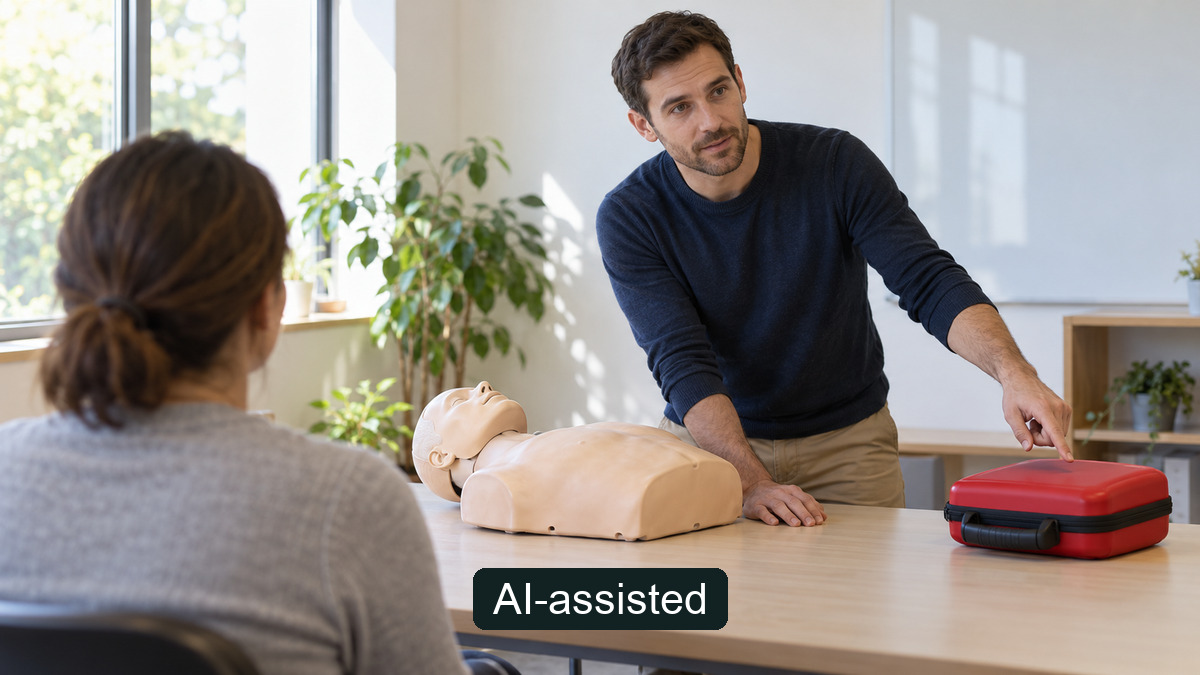
Why the agency is talking about hesitation
In the first half of 2025, bystander CPR was performed in 32.9% (4,500) of the cases cited in KDCA's acute cardiac arrest survey. The release reports survival of 15.3% in cases with bystander CPR and 5.6% without it. These are observed group figures, not a prediction for an individual and not proof that the difference was caused by CPR alone. The agency plans to release campaign videos, public-participation activities and instructional videos in stages; availability of a particular lesson should be checked on its official channels.
The practical takeaway is to learn the recognition–119–AED–chest-compression sequence and seek hands-on CPR/AED instruction ahead of time. In a real emergency, pay attention to scene safety and follow the emergency operator's directions.
Korean Naver edition: verified Naver post.
About the Author
Life Mokcha explains the KDCA's stated campaign and the first actions from its illustrated appendix without presenting a short article as clinical training or promising an outcome.