

For a workplace in Korea, there are two distinct dates in the Ministry of Employment and Labor's announcement: October 19–30, 2026 is the workplace self-check window; November 2–13 is a planned period of focused on-site inspections of workplaces at risk of fire or explosion. The first is not an exemption from the second, and neither is permission to defer an immediate safety measure. The Ministry also announced unannounced visits and Korea Occupational Safety and Health Agency patrol/technical guidance beyond these windows.
A four-part meeting agenda, not an operating procedure
| Announced priority | Question to bring to the site safety lead | What a photograph cannot prove |
|---|---|---|
| Sparks and hot work | Have sparks, nearby combustible materials and required fire-watch arrangements been checked for this particular job? | That a hot-work permit, fire watch or exclusion measures are actually in force. |
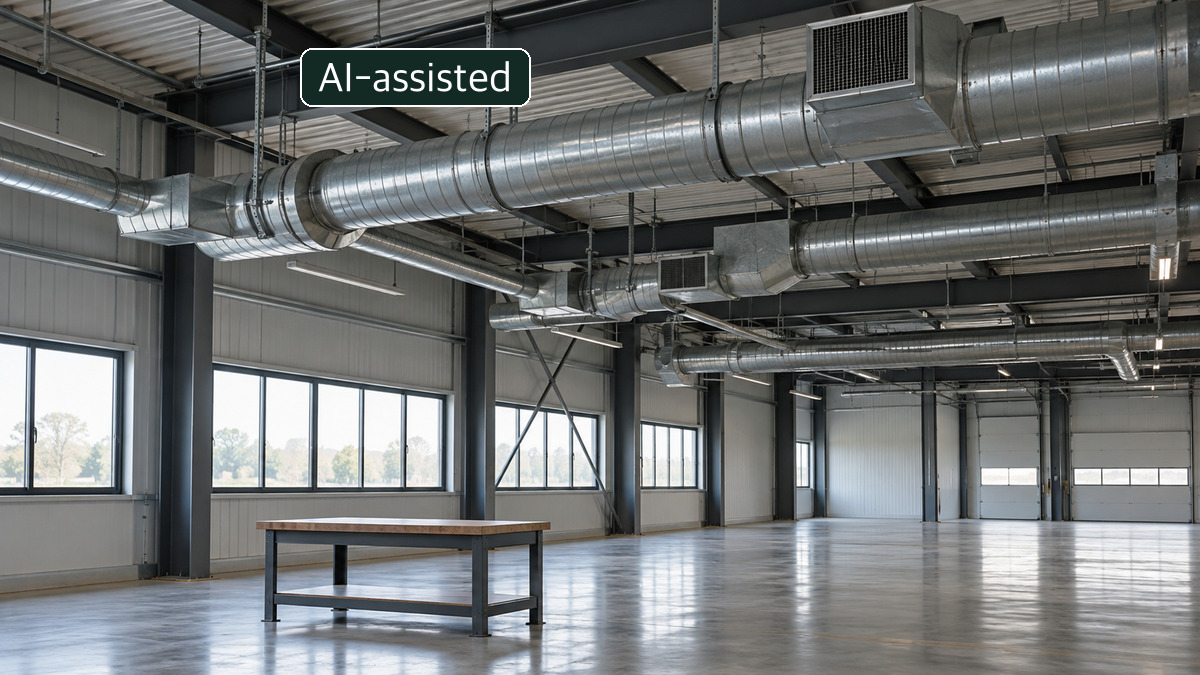
| Gas measurement and ventilation | Does the job call for gas measurement and ventilation, and who verifies the readings and response to abnormal results? | That visible ductwork makes an atmosphere safe. |
| Static electricity | Has the process-specific static hazard and the necessary control measures been assessed? | The condition or suitability of bonding, grounding or other controls. |
| Fire equipment and exits | Are extinguishing equipment and emergency routes usable now? | That one extinguisher or an empty-looking aisle resolves every hazard. |
These are reader questions adapted from the four official priorities, not a translated statutory checklist or instructions for performing hazardous work. Consult the safety-rules OPS attached to the release and the self-checklist whose use the Ministry recommends, together with the site's competent safety personnel. Site-specific measurement limits, permits, stop-work and evacuation decisions belong to the applicable rules and responsible personnel, not to this article.
Do not flatten the statistics or dates
The Ministry reported that among accidents subject to its disaster investigation, fire/explosion fatalities through the second quarter rose from 16 in the comparable prior-year period to 32. That is a count of fatalities within that stated scope, not a doubling of all incident counts or an individual worker's risk. It also said corrective actions and penalties may follow violations, and failure to comply with corrective measures may lead to judicial action; actual legal outcomes depend on the case and applicable law.
The same release foreshadowed a separate December campaign on cold-weather safety for outdoor workers. That is not part of the October fire/explosion self-check window. If a current hazard is found, record it and notify the site lead for action under the workplace's own procedures now, rather than waiting for a scheduled visit.
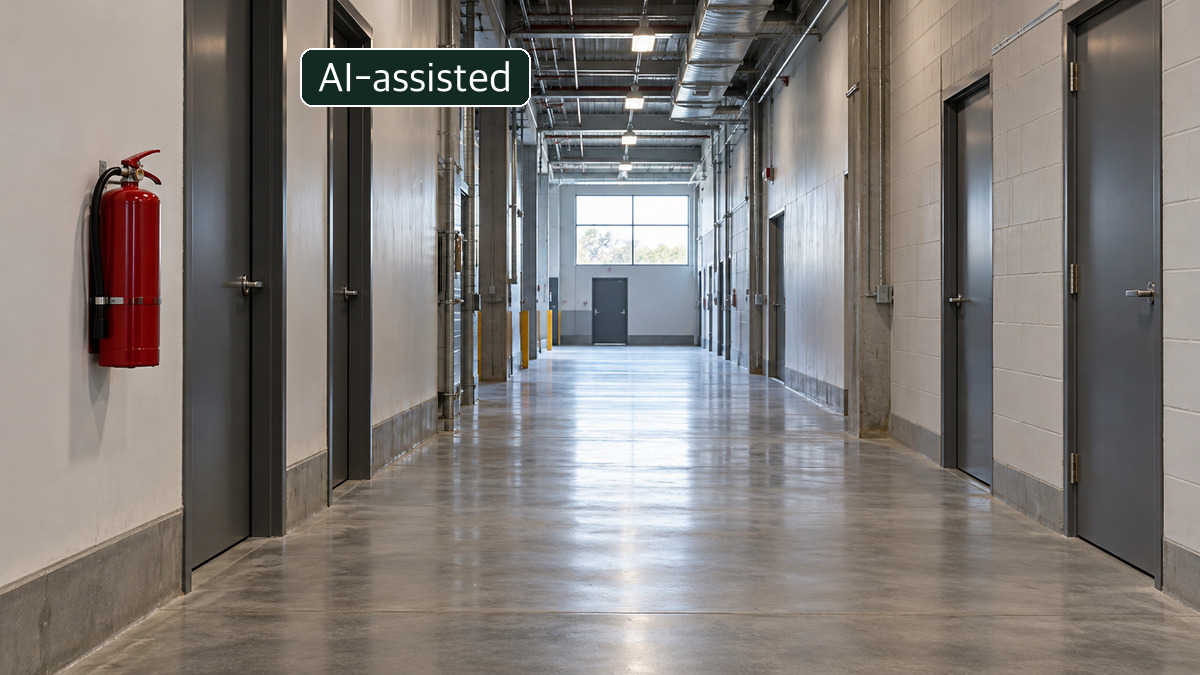
Images are generated illustrations, not documentation of an actual workplace, accident, inspection, or compliant work method. Checked against the release on the morning of October 19, 2026.
About the Author
Life Mokcha's editor turns official schedules into questions that readers can check with responsible site personnel. This article does not replace site-specific occupational safety expertise.