
Does a hot sauna room mean you cannot encounter bed bugs? No. The relevant places to inspect include seams in seating and bedding in rest areas, changing rooms and belongings—not just the heated room. This is not a report of an outbreak at a particular sauna, nor a statement about 2026 incidence. It applies public-health guidance checked on September 26, 2026, to a visit to a Korean jjimjilbang. The detailed Korean facility guidance comes from the Korea Disease Control and Prevention Agency (KDCA)'s December 2023 bed-bug handbook, edition 2-2.
A hot room is not a heat-treatment program
KDCA advises treating contaminated fabrics in a dryer at 50–60°C for about 30 minutes or longer. This is a treatment instruction for fabrics; it does not mean that sitting in a sauna briefly will heat a bag, clothing, hidden cracks or the entire establishment to an effective temperature for sufficient time. The US Environmental Protection Agency (EPA) also warns that simply turning up a room thermostat is not an effective or safe DIY treatment. Do not put a bag in the hot room or infer that the ambient temperature has disinfected it.
What to check, and who should act
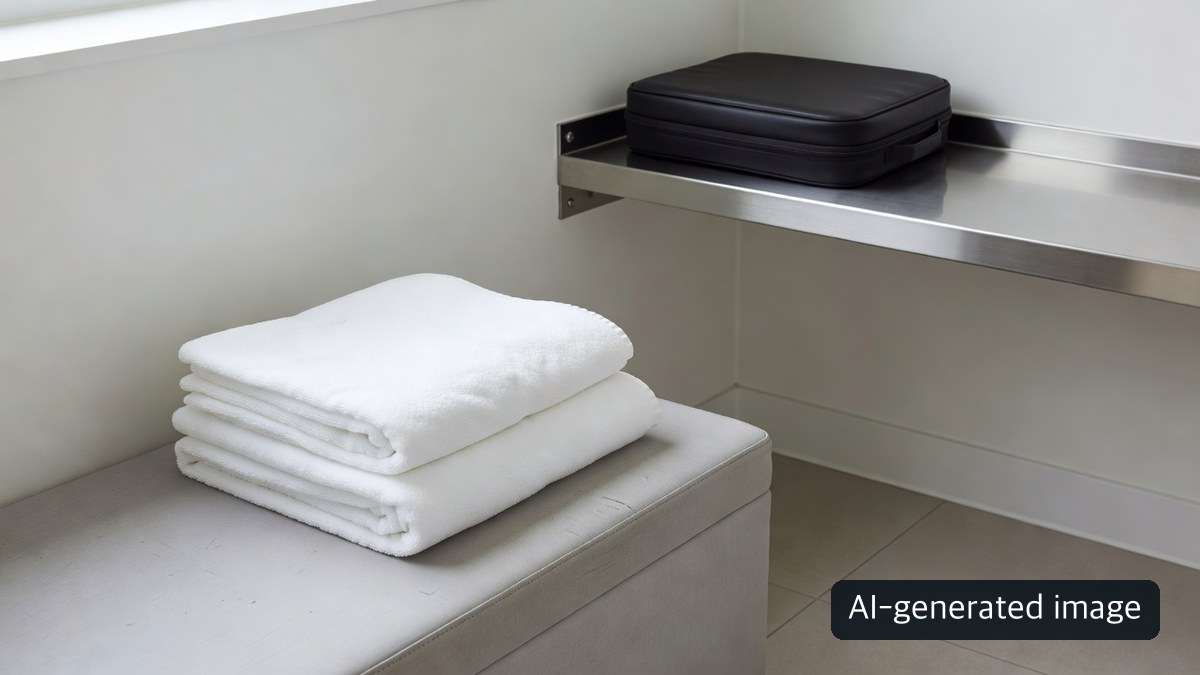
- Lounge or sleeping area: Before settling in, visitors can look for visible insects, dark/reddish spots or shed skins near upholstered seams and bedding. Facility staff should inspect seating, bedding, furniture joints and nearby walls.
- Changing and storage area: Visitors can keep a bag apart from other belongings and off communal bedding or upholstered chairs. Facility staff should monitor changing rooms and arrange an appropriate separate location for travel bags.
- Walls and skirting boards: Visitors can note or photograph the time and location of a suspicious finding and tell staff. Facility staff should inspect and repair cracks and gaps.
KDCA explicitly addresses operators of bathhouses, including jjimjilbang: separate travel-bag storage from interior areas, inspect sleeping and rest rooms and changing areas carefully, and check wall and skirting-board gaps. The visitor actions above are editorial advice adapted from that facility guidance and the EPA's advice to separate belongings and watch resting/upholstered areas in public places. Facilities may differ in layout, so follow staff directions. A sighting does not by itself measure how clean an establishment is.
If you see a possible bug: document, report, contain
- Document: If feasible, photograph the insect and the exact location, including nearby spots or shed skins. A skin reaction cannot confirm bed bugs, and finding one bed bug does not by itself establish a breeding infestation.
- Report: Tell staff where and when it was found. Ask how the specific seat or bedding will be assessed. Do not declare a diagnosis or spray a pesticide yourself.
- Contain: Avoid shifting possibly affected belongings to another rest area. Keep clothing and bags separate while staff assess the space and arrange professional help if needed.
EPA says one bed bug is not itself evidence of an infestation with breeding bugs, but a public place can be a transfer point. KDCA prioritizes physical controls—targeted steam, vacuuming and heat-drying contaminated fabrics—with approved pesticides used only in accordance with their instructions when needed. Never spray pesticide on skin, clothing or bedding.
Back home: treat clothing according to actual exposure
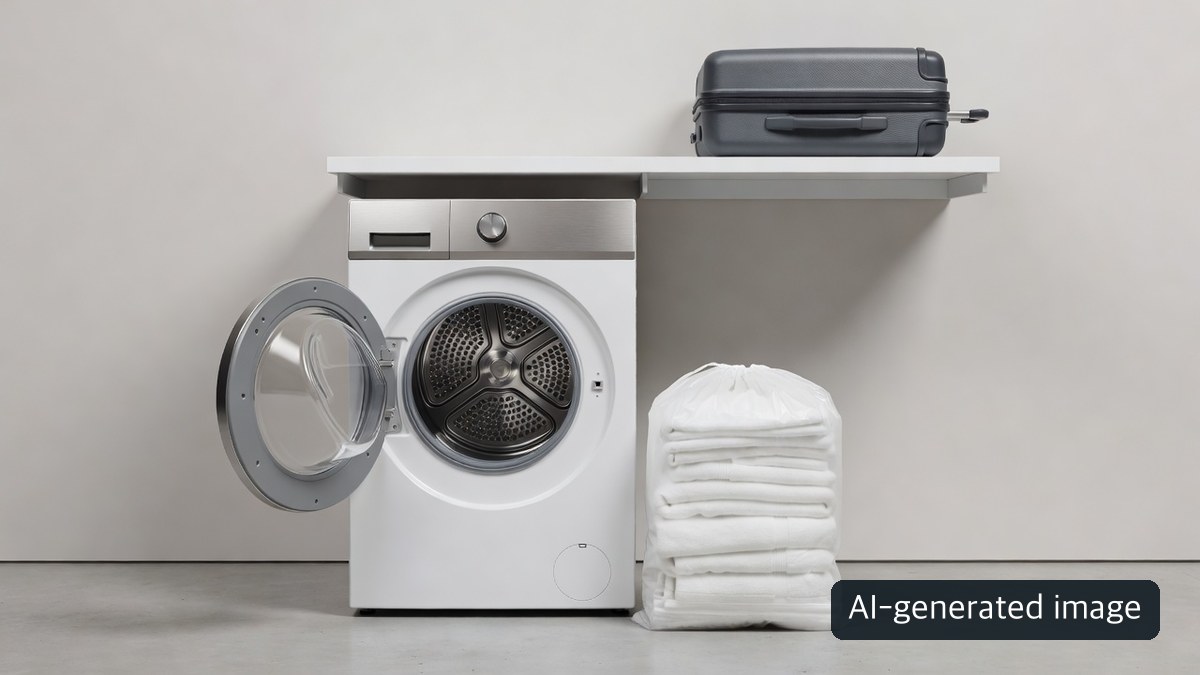
If exposure is suspected, separate possibly affected clothing from other laundry and move it in a sealed bag. If the care label and dryer permit it, KDCA's treatment advice is to use a dryer at 50–60°C for approximately 30 minutes or longer. A machine setting is not proof of the temperature achieved throughout the fabric: check the appliance instructions and avoid overheating unsuitable materials. Isolate heat-sensitive items and consult a pest-control professional about suitable treatment. Inspect a bag's exterior and seams, but do not regard a visit to a sauna or indiscriminate pesticide use as treatment.
Skin marks alone cannot confirm bed bugs; bites can resemble those of other insects and reactions vary. Seek medical advice for severe itching, possible infection or persistent symptoms. KDCA says epidemiological evidence of disease transmission by bed bugs has not been reported, but scratching can lead to secondary skin infections and severe allergic reactions are rare. Get urgent medical attention for breathing difficulty or a sudden generalized allergic reaction.
Korean Naver quick checklist
A shorter three-area check for immediately before a visit is available in the Life Mokcha Naver article. All images here are AI-generated illustrations, not photographs of an actual facility or infestation.
About the Author
Life Mokcha's editorial team (‘Mokchajigi’) separates official public-health guidance from practical steps visitors can take.
References
- Korea Disease Control and Prevention Agency, Bed Bug Handbook, edition 2-2 (PDF; Korean) (published December 2023; checked September 26, 2026; especially PDF pages 20, 25, 28–30 and 33)
- US EPA, Protecting Yourself from Bed Bugs in Public Places (updated October 6, 2025; checked September 26, 2026)
- US EPA, Do-it-yourself Bed Bug Control (checked September 26, 2026)