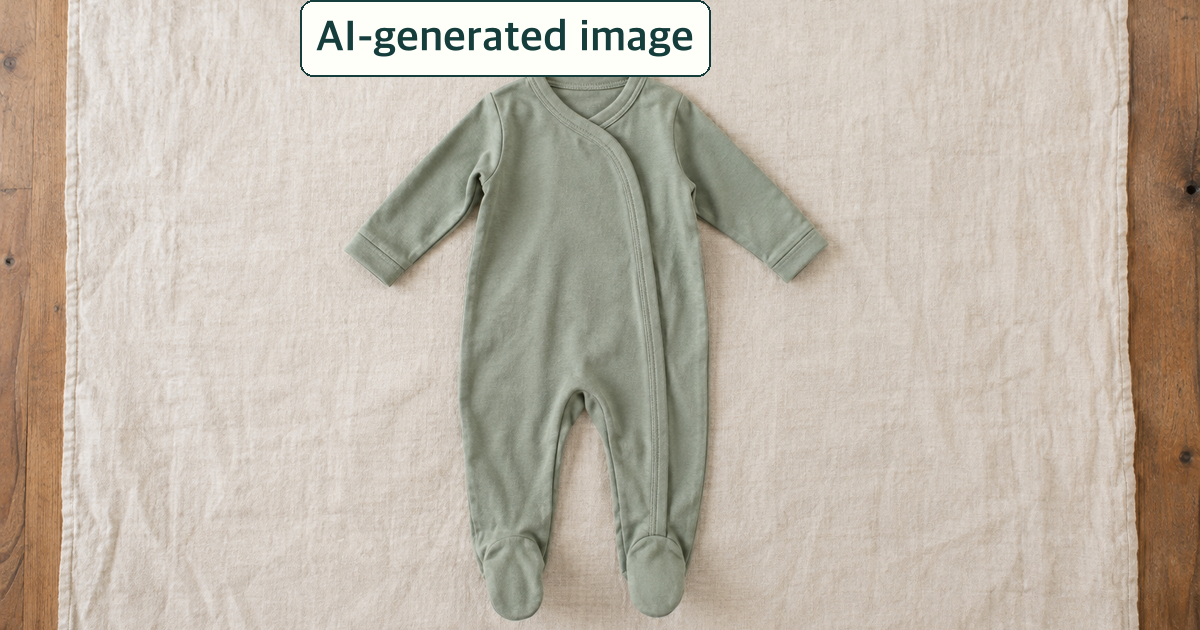
A magnetic sleeper can be attractive to an exhausted parent: align the garment edges instead of working through a row of snaps during a night-time change. Two overseas-shipping listings on a Korean marketplace were inactive when checked; that does not mean Korea bans magnetic baby clothes. The infant-textile safety standard we reviewed contains no blanket ban on magnetic clothing. That does not establish that a given imported product is approved for regular domestic sale. Nor do those listings prove how widely the clothing is sold in Korea or the United States.
What we could verify in Korea
On October 10, 2026, we rechecked a Korean 11st listing for a Magnetic Me baby sleeper: it was identified as an overseas-shipping item, but the product page said sales had stopped. A second listing said it was not currently on sale. These pages show that the product has been listed on a Korean platform, not that it can currently be purchased there. They do not establish whether other Korean sellers carry it, or whether such clothes are scarce across Korean retail or widely stocked in stores.
We found no defensible sales-volume series, market-share comparison or brand-by-brand Korean certification count that could establish a national distribution gap or rank its possible causes. Compliance effort, distribution, price and consumer demand might all matter. Neither scarcity nor a decisive cause is proven here.
Why the design matters more than the word “magnetic”
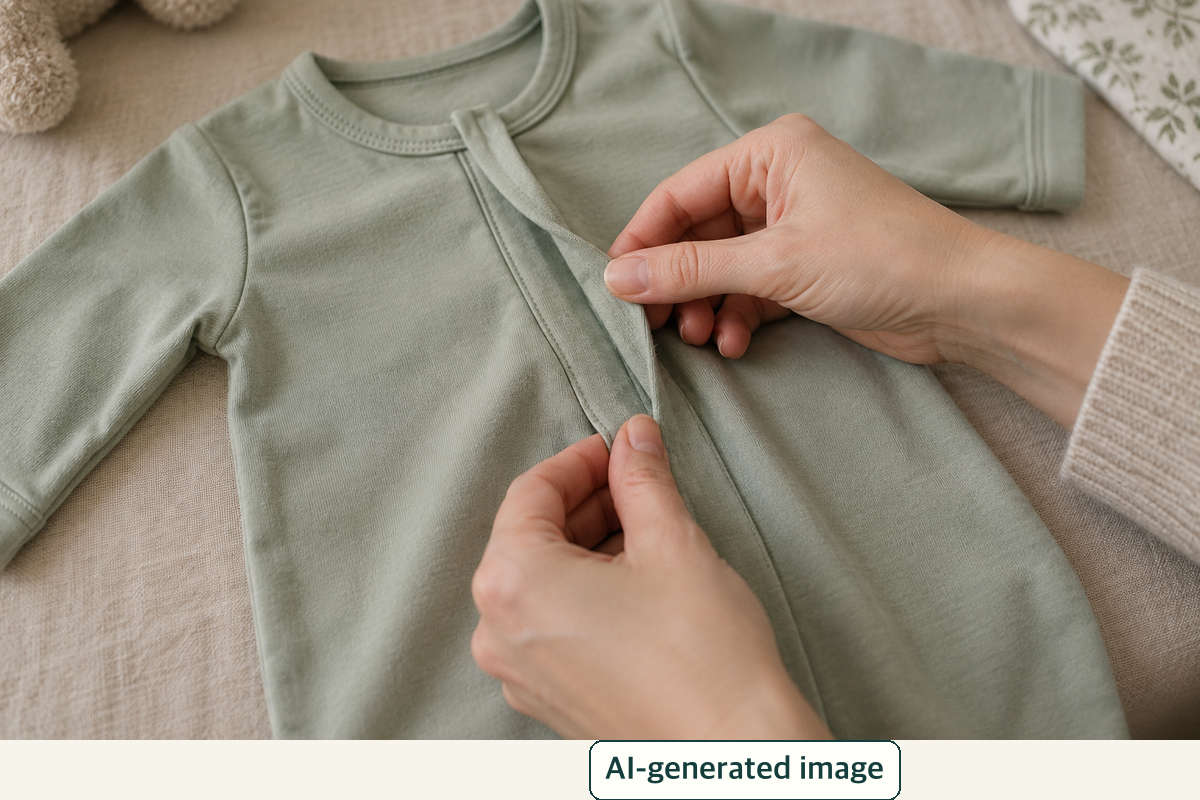
The American manufacturer Magnetic Me says its SewSafe construction encloses magnets in pouches, secures them with stitching and hides them between fabric layers. It says its products undergo independent safety testing for applicable U.S. rules. Those are the maker's claims about its own range—not a certificate for every magnetic garment, and certainly not a Korean KC approval for the specific item on an import listing. A sewn-in fastener is different from a loose magnet a child can pick up.
Korea's infant-textile gate, without inventing a ban
The Korean Agency for Technology and Standards (KATS) describes the safety-confirmation system: for covered children's products, manufacturers or importers arrange model-specific testing through a designated body and report compliance before release or customs clearance. The Infant Textile Products annex covers textile products for children under 36 months. Custom-made clothing is excluded from safety confirmation under this annex, while costumes made for play are governed by the toy safety standard. Under clauses 5.1.1 and 6.1.1, an attached part that qualifies under the small-parts test must not detach in the tensile test (attachment-strength criterion: 50 N ± 2 N); when tensile testing is not possible, laundering or dry-cleaning testing is used instead. The rule's “regardless of function” language concerns such qualifying parts, with buttons, snaps and beads as examples. Clause 8.2 requires a warning label when such a small part is attached to an infant wearable textile. It does not mandate both pull and wash testing for every component. The reviewed text does not name a wholesale prohibition of magnetic babywear.
That is not a do-it-yourself approval. Whether a particular embedded magnet is assessed as a small part, and whether a finished model passes, depend on its construction and actual testing. We have not verified a KC report or registration number for either listed item. Nor should a private overseas-order page's generic “certification not applicable” line be treated as an exemption for formal domestic distribution; the sale route and product documentation need separate checking.
The risk that calls for an inspection
The U.S. Consumer Product Safety Commission's warning concerns loose small magnets, predominantly from toys. It is not an injury-rate study of properly made magnetic sleepers. Its relevant mechanism is serious: two swallowed magnets, or a magnet and another metal object, can attract through intestinal walls and cause injury. The product maker also recommends checking the fabric and seams around its fasteners for tears or loose stitching.
A quick buying-and-use check:
- Availability and documentation: Is this exact model on sale? Who is the seller or importer, and what safety-confirmation information can they actually provide?
- Construction: Are the closures inaccessible through intact fabric, and are seams firmly secured? Check again after laundering.
- Damage response: Stop using an item with torn fabric or a potentially detachable part. If swallowing a magnet is suspected, seek prompt medical attention, even without waiting for symptoms.
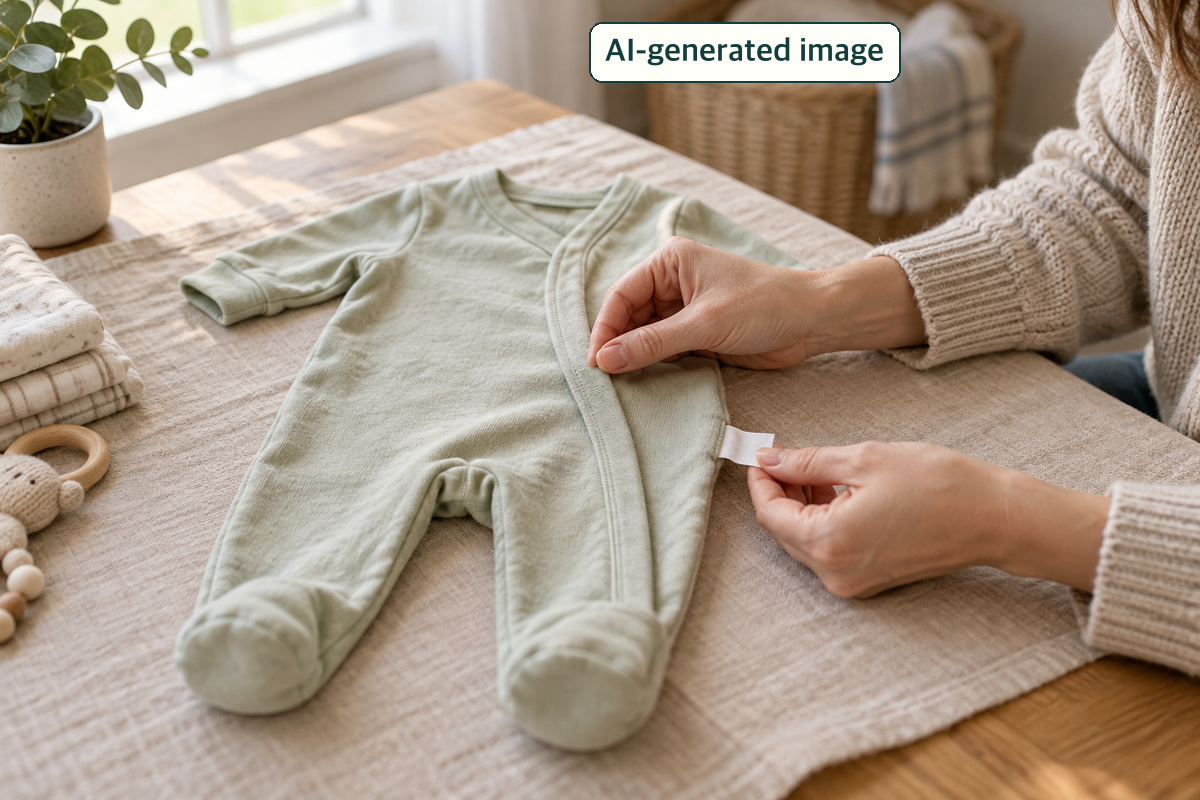
The two inactive listings establish neither a nationwide shortage nor a ban in Korea. Check each product's actual availability, sale route and safety documentation instead. Convenience is real for many families; the correct fastener is still a household choice, not a substitute for product inspection. The Korean Naver edition gives a shorter shopping-floor summary.
About the Author
The Life Mokcha editorial team distinguished the manufacturer's design assertions, Korea's official textile standard and the observed status of two import listings. These photorealistic concept scenes depict generic garment checks, not an actual Magnetic Me item, its concealed magnet construction, a KC-certified product or Korean retail inventory. They are not certification evidence or medical advice.
References
- KATS — Safety confirmation for children's products
- Korean National Law Information Center — Infant Textile Products safety annex
- Magnetic Me — maker's SewSafe construction and inspection guidance (August 26, 2026)
- U.S. CPSC — hazards of swallowed loose magnets (April 19, 2007)
- 11st — Magnetic Me import listing, sales stopped when checked
- 11st — second listing, not currently on sale when checked