When planning to store baggage, check which side of security you are on and leave time to retrieve it before your flight. At Haneda Airport Terminal 3, the third-floor departures counter is marked open 24 hours by both the airport and its operator, JAL ABC. Do not copy that certainty to the separate second-floor arrivals counter: the two official sources disagree about its early-morning hours.
Checked September 27, 2026 (KST). This decision guide separates the terminal counters from a different baggage service at the railway station. All three images are generic AI-generated illustrations, not photos or maps of Haneda or proof of current capacity.
Decide by floor, access, and pickup time
- Before security, on Terminal 3's third floor? The international departures JAL ABC counter is in front of check-in counter K. Both Haneda's directory and JAL ABC's counter page list it as open 24 hours. Opening hours do not promise spare storage capacity or a zero-minute queue.
- On the second-floor arrivals side? The airport directory says the second-floor temporary storage is open 24 hours, while the operator's counter page says its arrivals counter closes between 1:00 a.m. and 4:00 a.m. These official statements are not reconciled. Do not plan a night pickup there without asking the operator directly.
- At the Terminal 3 railway station? Keikyu's station-level counter is a separate same-day service. Its operator notice lists reception and returns from 7:00 a.m. to 11:00 p.m. and no storage across calendar days. It is not JAL ABC's 24-hour third-floor terminal counter.
- Already airside or in transit? A public departures lobby, an arrivals lobby, and a station are not facilities inside the controlled boarding area. Check immigration, airline, and security procedures before assuming you can exit and return.
Price and size: confirm the charging unit
The airport's Terminal 3 listing bases its published fee on the sum of the bag's three dimensions. Its per-item, per-24-hour schedule is:
- Small: under 120 cm total, ¥800 per 24 hours.
- Medium: 120 cm to under 200 cm, ¥1,000 per 24 hours.
- Large: 200 cm through 300 cm inclusive, ¥2,000 per 24 hours.
The airport's general limit is 300 cm for the three sides together, 30 kg and up to two weeks. An unusual shape may still be declined, even if it fits an apparent size band. JAL ABC shows the same size-band amounts but labels them per item per day, rather than per 24 hours. The reviewed pages do not establish that every extension across a day boundary is charged identically. State your planned return time and ask for the actual total before leaving the bag.
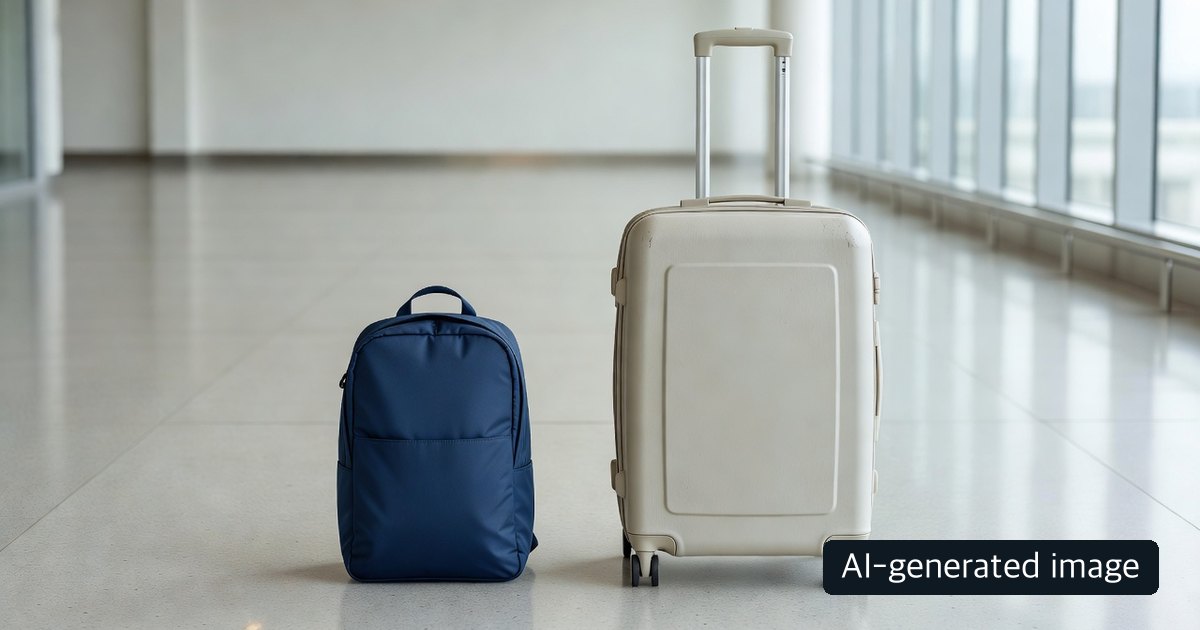
Hand-off and retrieval checklist
JAL ABC says that you may go directly to the counter without a reservation, but intake may be suspended when its storage space is full. Walk-in does not mean guaranteed acceptance. Keep the claim receipt issued at drop-off: the operator requires it for retrieval. Its published payment process is payment upon pickup, by cash or credit card. Keep your passport and money with other valuables; its prohibited-item examples also include animals and hazardous materials. Ask staff if an unusual object can be accepted rather than inferring approval from the general size limit.
For a trip into Tokyo before departure, leave separate time after collecting the bag for airline check-in, checked-baggage drop, security, immigration and boarding. This is an editorial planning sequence, not an airport-promised transfer duration. The public pages reviewed here do not show live capacity, queue times, or temporary operating changes. We did not verify a recent first-person account of actually using this counter; a third-party guide repeating official facts is not independent on-site confirmation. The unresolved second-floor opening discrepancy should be checked with staff on the day.
The shorter Korean answer is available in the Life Mokcha Naver guide.
About the Author
The Life Mokcha editorial team compares an airport's directory with its counter operator's rules and keeps a separate railway-station service distinct. We do not treat conflicting hours or unobserved capacity as a promise of availability.