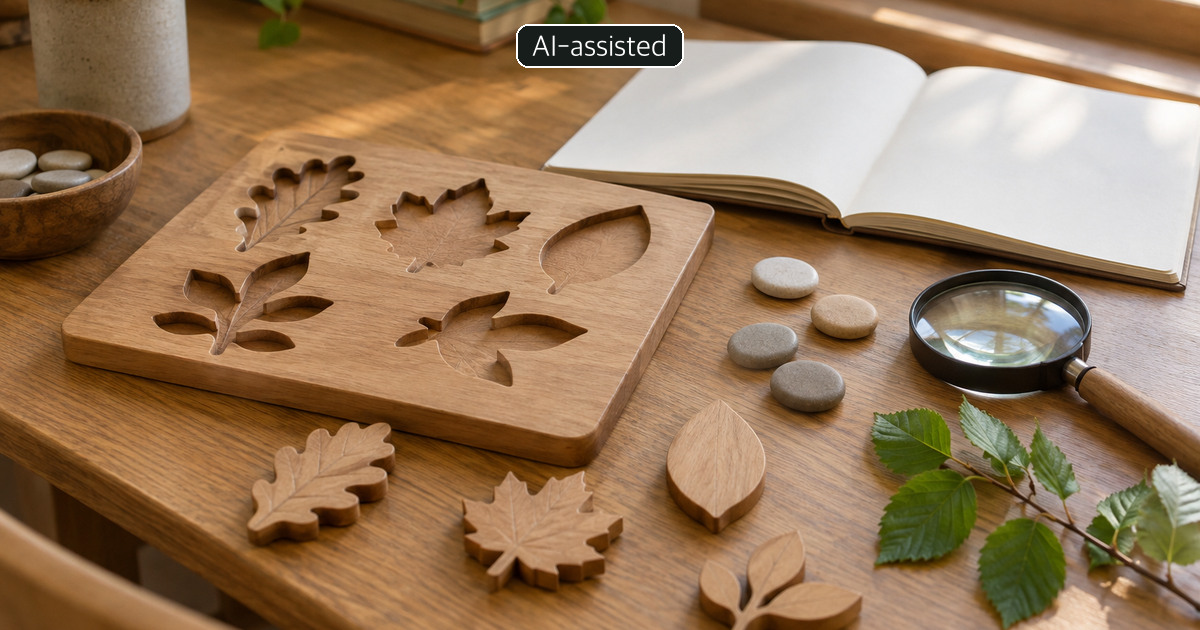
A teaching aid about biodiversity need not be a finished commercial product to start as an idea. The third Hands-on Biological Teaching Aid Development Contest, organized by the National Nakdong River Institute of Biological Resources, first accepts materials online. A physical aid is required after, not before, passing its initial document review. This account compares the October 14 government announcement with the operator's current rules, FAQ, and first application screen, checked October 16, 2026 KST. The editorial images are AI-made conceptual photographs, not official or entrant photographs.
The deadline has an hour, not just a date
Entries are scheduled from October 14 through November 9, 2026, closing at 5:00 p.m. Korea time. The government release names November 9; the precise hour comes from the operator's rules and FAQ. The application page displayed its first, consent-related step at inspection. That alone does not verify access through later steps, a successful submission, or available places. Recheck the form just before entering.
Anyone interested in biological and environmental education may enter alone or in a team of up to three people including its representative. Applicants are not limited to schoolteachers or children. The intended audience for the teaching aid—young children and lower primary, upper primary, or secondary students/adults—is a separate choice, and multiple audiences may be selected.
The subject spans biodiversity, ecosystem protection, climate change, and carbon neutrality. Learners should actively participate in, manipulate, or construct the aid. Board or card games, sticker books, and assembly activities are examples, not a mandatory format or a pictured approved product.
The online submission and later physical review
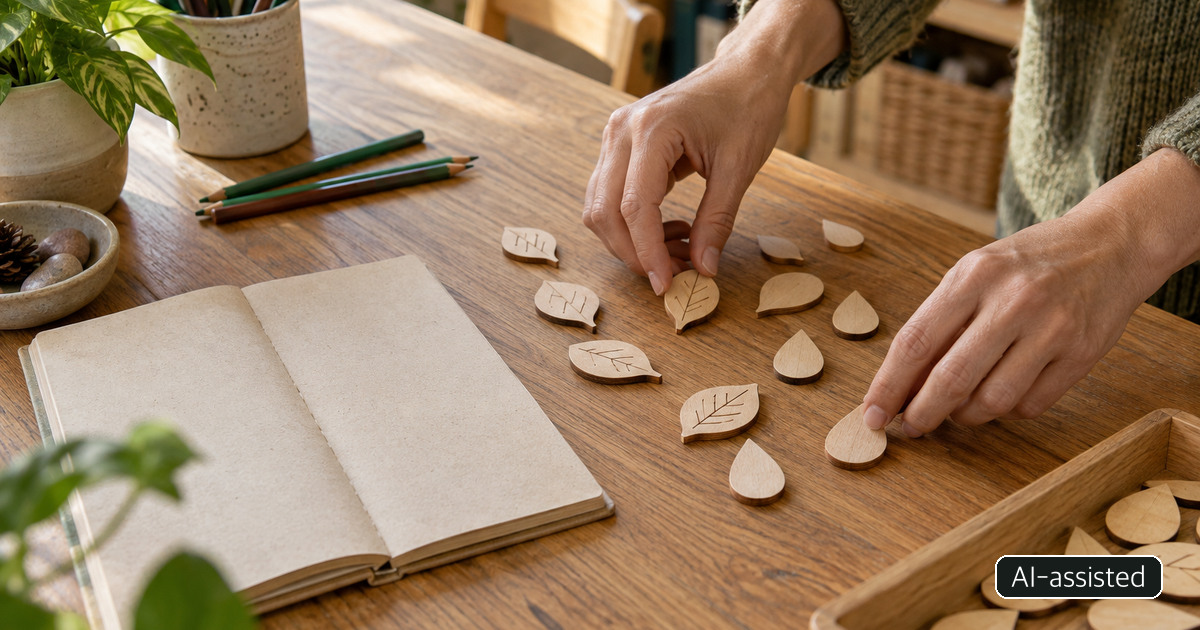
The operator's rules list a teaching-aid description, photos of the aid, and a teaching-and-learning plan using form 1 for submission. Its FAQ abbreviates the initial package as the description and teaching plan. Check the actual form and upload fields for the photo requirement rather than treating that shorter answer as a complete technical specification. Team members other than the representative each submit a personal-information consent form (form 2). For a participant or team representative under 14, the FAQ describes online guardian details and mobile-phone verification; for a team member under 14, form 2 also needs guardian consent.
The first-round results are scheduled for November 18. Successful applicants then must ensure their physical aid arrives by post by November 25 for the November 26 physical review. Entrants pay associated postage. A presentation review on December 3 and awards ceremony on December 15 are planned; dates may change.
The proposed prize structure is one grand prize of ₩5 million, one top prize of ₩3 million, and two excellence prizes of ₩1 million each—₩10 million altogether. The operator may adjust awards or decline to name a winner if suitable work is lacking. These are advertised awards, not guaranteed payouts to four people.
What the contest actually says about generative AI

AI may assist with research, information searches and finding references. Applicants who use it must state the tool and the scope and substance of use in the application. They must themselves develop the core idea, main concept and creative structure. An entry substantially or wholly generated by AI on those points may be excluded from judging. The organizer can request process records or an explanation; third-party intellectual-property rights still apply to AI-sourced materials. That is neither a blanket ban on AI nor permission to submit an AI-designed concept as one's own.
Read the award-use consent carefully
The contest rules say copyright remains with entrants and set out certain five-year public-interest educational uses calculated from the results announcement. The current first registration screen, however, mentions an exclusive license of economic rights and terms to be settled separately; the FAQ describes five years from the award date. These descriptions are materially different. Ask the operator which license scope and starting date actually govern before accepting an award-use consent. Do not rely on this article as a substitute for the final agreement.
For the Korean-language Naver edition of this story, read Life Mokcha on Naver.
About the Author
Life Mokcha checks primary announcements against the current application process and explains practical choices for readers in Korea.