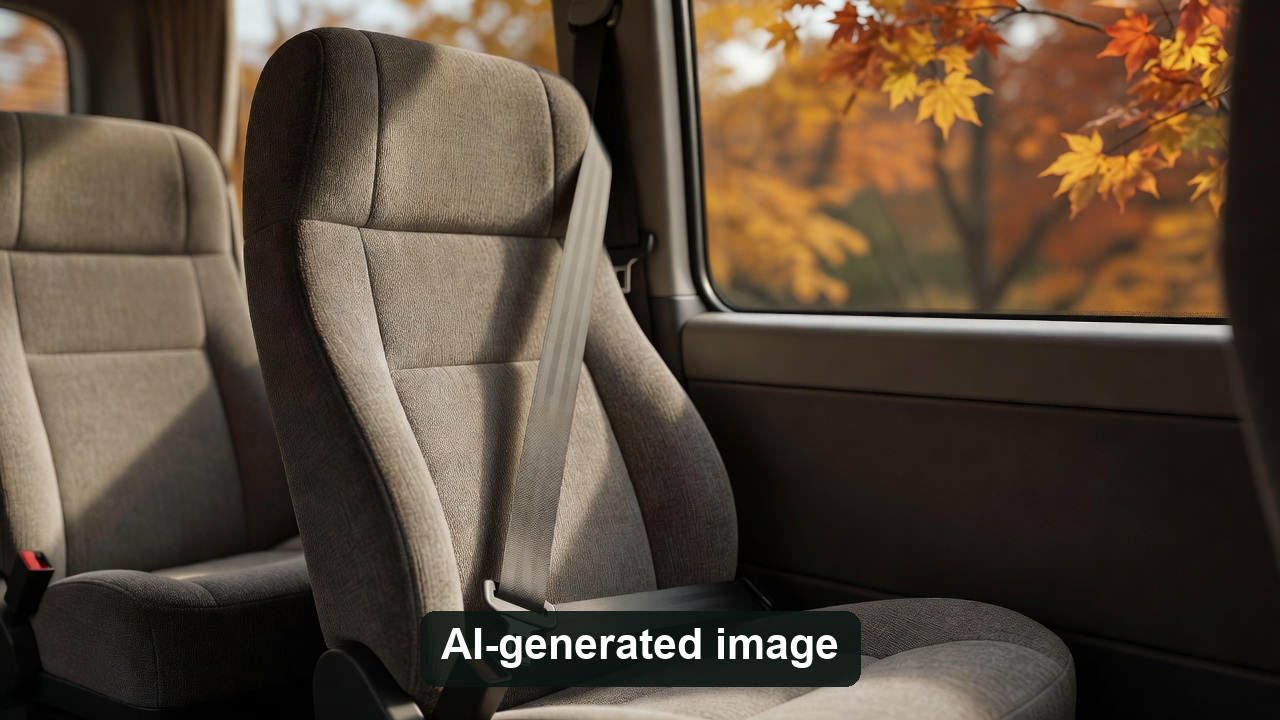
Before a group trip by charter bus in Korea, check whether the belt at your own seat is present and latches correctly. The Korean National Police Agency's autumn travel road-safety campaign runs from October 8 through November 30, 2026, concentrating on large buses, freight trucks and expressway risks. That campaign end date is not an expiry date for the habit of using your seat belt. Information checked October 10, 2026 (KST).
Before departure: your seat, buckle and companions
- Your seat: Find the belt, check that it is not visibly damaged and fasten the buckle. If it is missing or cannot latch, ask the driver or group organizer to check it before leaving.
- Everyone travelling with you: Encourage each person to check the belt at their own seat. For a child, confirm what seating and restraint are suitable for the particular vehicle and the child's age and size. This article does not determine a universal child-restraint rule.
- Communication: Know whom to contact in the group and where a break is planned. Raise a safety concern before departure if a belt does not work or you suspect drink-driving.
The government's report of the police campaign says police will promote belt use, prevent drink-driving and address drinking and dancing inside vehicles around charter-bus departure points and other vulnerable locations. Police also ask travellers to use seat belts in all seats. The announcement does not establish a new application process for passengers or specify a fine for every hypothetical situation.
On the road: separate enforcement targets from passenger actions
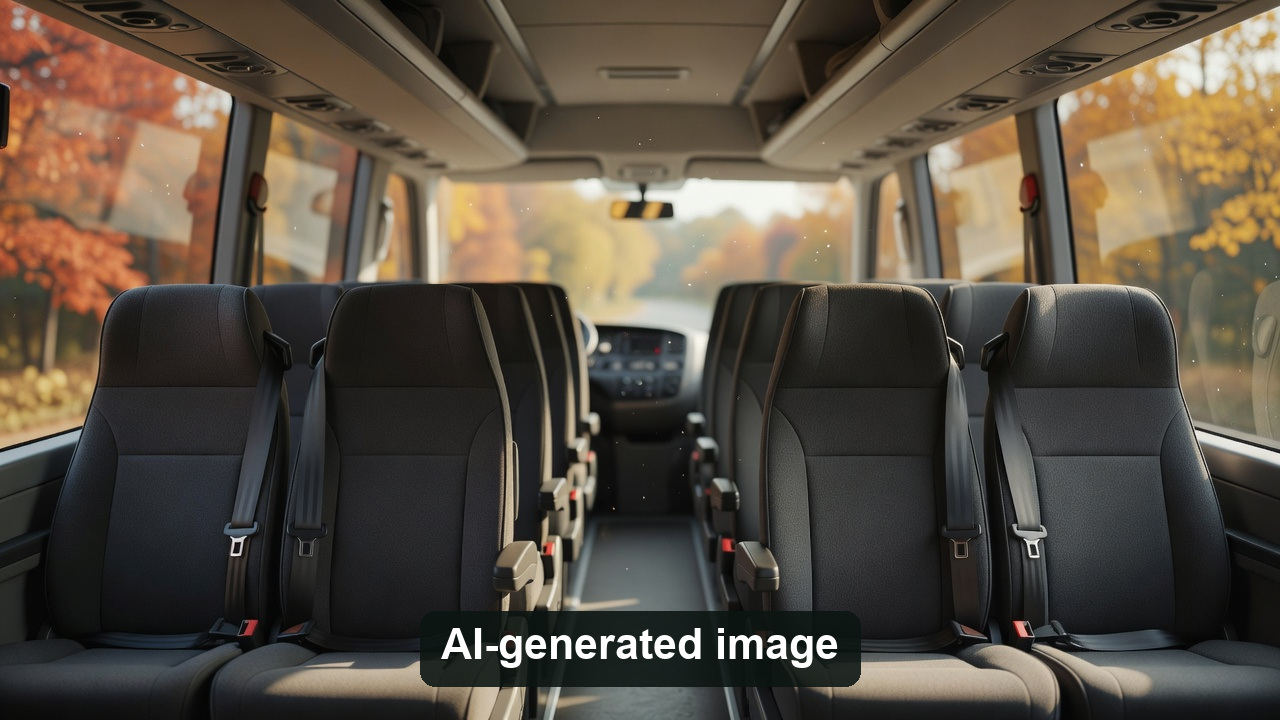
- Aggressive or retaliatory driving and lane-rule violations on expressways: If you see dangerous driving, tell the driver or group organizer about the safety concern rather than trying to direct the vehicle yourself.
- Close convoy driving, use of the shoulder, drinking and dancing inside a vehicle, and unfastened belts: These are among the campaign's inspection priorities. Keep your own belt on and speak up if buses appear to follow one another dangerously closely or stop unsafely.
- Freight-truck speeding, overloading, unauthorized speed-limiter removal and poor maintenance: These are a separate enforcement stream, not a new passenger form to complete on a tour bus.
The policy's discussion of convoy driving concerns unsafe group operation; merely heading to the same destination does not by itself establish a particular vehicle's legal violation. Police also urge adequate breaks to prevent drowsy driving and no drink-driving. Ask for a safe rest-stop break when needed. In an immediate emergency, prioritize safety and contact the Korean police emergency number 112.
Date and evidence boundary
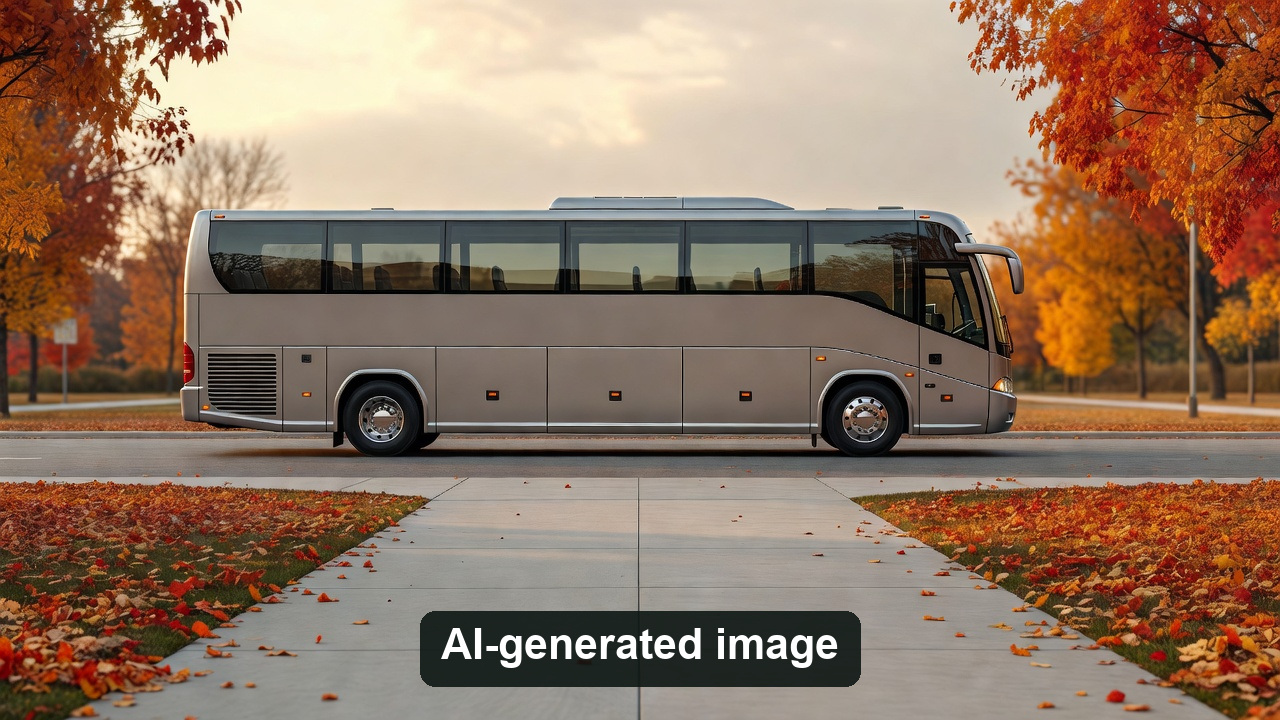
October 8–November 30 is the announced period of intensified management, not a calendar of checkpoints for every bus or route. The report does not verify today's route, inspection location or result. We did not reuse the syndicated bus photograph embedded in the government article. The Korean Naver edition is a concise pre-boarding check; this guide separates the campaign's enforcement categories from the traveller's practical response.
Created with Grok
About the Author
Life Mokcha's editorial team separates the dates and scope of official announcements from what a traveller can check personally and from unverified conditions on the road.